Pakistan’s child labor crisis represents a failure of systemic protections, driven by deep-rooted poverty, weak enforcement mechanisms, and disjointed governance structures. Nearly 45% of the population lives in poverty, forcing families to depend on children’s earnings for survival. While the law defines child labor as any work performed by individuals under 14, enforcement failures leave millions exposed to exploitation. The most prevalent forms of child labor in the country include domestic servitude, carpet weaving, brick kiln operations, street begging, and mining. Those affected—often unable to defend themselves—commonly endure torture, harassment, and unpaid wages as standard conditions.
Despite Pakistan’s ratification of the International Labour Organization’s (ILO) Convention No. 182 and Convention No. 138, which prohibit the worst forms of child labor and establish a minimum working age, legal safeguards rarely reach vulnerable populations. Domestic legislation, such as the Employment of Children Act 1991 and Article 37(e) of the Constitution, reinforces the ban on child labor under 14 and requires humane working conditions. Still, these provisions often remain unenforced, leaving children without protection.
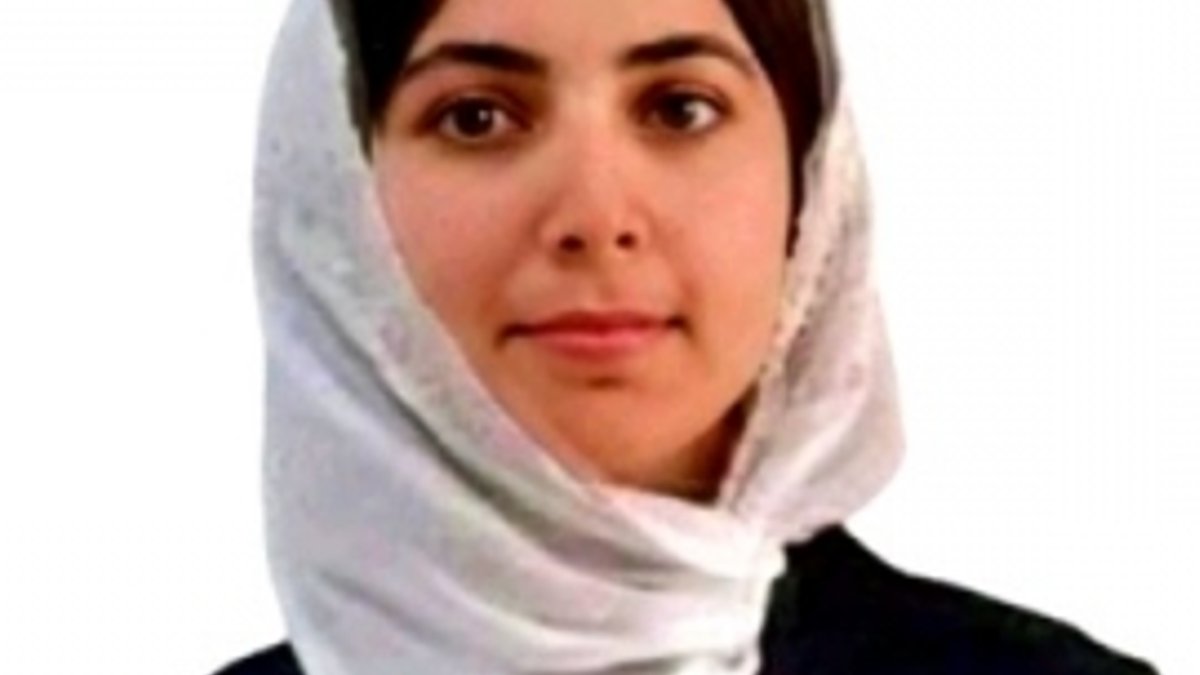
Economic desperation serves as the primary catalyst. Families frequently send children into labor to meet basic needs, particularly when debt traps them in cycles of forced repayment. In 2020, the murder of an eight-year-old girl named Zohra Shah by her employers, after months of abuse, exposed how financial strain enables such atrocities. Educational barriers further entrench the problem. Many impoverished households cannot afford school fees, trapping children in labor while denying them literacy or vocational training. Without education, they lack both the skills and awareness to escape exploitation.
Fragmented laws fail children
Since the 18th Amendment granted provinces greater autonomy, efforts to combat child labor have become fragmented. Some regions have tightened regulations, such as Khyber Pakhtunkhwa’s 2015 Prohibition of Employment of Children Act and Punjab’s 2016 Restriction on Employment of Children Act, yet enforcement remains uneven. Social welfare programs like the Ehsaas Program and BISP have reduced poverty and increased school enrollment, but they do not prioritize child labor prevention. The informal economy, where many children work, also operates beyond regulatory reach.
A lasting solution requires more than legal reforms. Labor enforcement agencies need stronger training to inspect workplaces, particularly in informal sectors. Economic incentives could formalize these industries, bringing them under oversight. Civil society organizations must amplify public awareness, while partnerships between government and private sectors could extend limited resources. Strengthening local governance ensures interventions reach communities directly, breaking cycles of exploitation at the source.
Related Post: Pakistan’s New Court Faces Old Legal Challenges
Previous attempts to address child labor through isolated measures have proven insufficient. The crisis demands a unified strategy that tackles poverty and education simultaneously while closing enforcement gaps. Without coordinated action, children will remain trapped, not only in labor, but in a system that values immediate survival over long-term development.
Global pressure meets local resistance
International organizations have urged the government to accelerate implementation of existing laws, particularly in high-risk sectors like agriculture and domestic service. Progress reports indicate that while some provinces have improved monitoring, others still lack basic inspection capacity. Donor-funded initiatives, though well-intentioned, often struggle to scale due to bureaucratic delays.
One promising development lies in community-based monitoring programs, where local volunteers document labor violations and connect families with social services. These efforts have shown success in reducing child labor in specific districts, but expansion requires sustained funding.
Zohra Shah’s death served as a wake-up call, but her story is not unique. Across Pakistan, children continue to disappear into exploitative labor, their voices drowned out by economic necessity. The challenge now is whether institutions can rise above fragmented efforts and deliver justice, not just for survivors, but for the millions still at risk.


