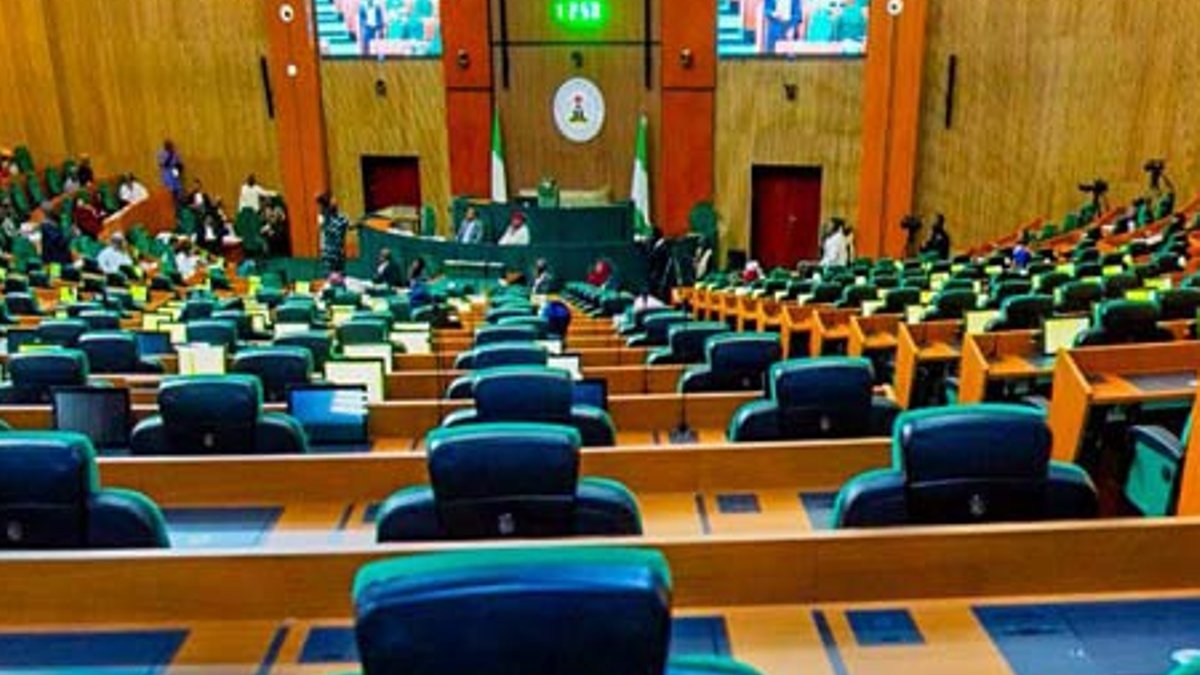
The House of Representatives has called for the strict enforcement of the Child Rights Act, 2003, particularly its provision prohibiting marriage involving persons below the age of 18, This call forms part of a renewed legislative drive to eradicate child marriage and to bolster safeguards for girls nationwide. The chamber also instructed five of its standing committees to examine current government actions, pinpoint shortcomings in the rollout of child-protection policies, and propose both legislative and fiscal measures aimed at curbing child marriage and enhancing investment in the welfare and development of girls.
Lawmakers Focus on Legal Protections and Enforcement
The proposal was tabled in honor of the International Day of the Girl Child, observed each year on 11 October to champion girls’ rights and highlight obstacles to their education, health, safety and overall development. Speaking first, Representative Ogbara voiced alarm over the persistence of child marriage in Nigeria, characterising the custom as a breach of children’s basic rights and a serious impediment to national progress. She maintained that the effective enforcement of the Child Rights Act and its domestication and implementation across the states were necessary to guarantee equal legal protection for children, irrespective of their geographical location, family background or socioeconomic circumstances.
Ogbara noted that, despite the existence of statutes outlawing child marriage, girls in disadvantaged areas still encounter conditions that push them toward early nuptials, exploitation and discrimination. She pointed out that such unions rob girls of their childhood, interrupt schooling and limit access to medical care, skill-building opportunities and economic prospects. The lawmaker further cautioned that females married before reaching adulthood are more likely to experience premature pregnancy, health complications for mother and newborn, gender-based violence and enduring poverty. She emphasized that the repercussions of child marriage extend beyond individual victims, affecting families, communities and the country’s broader social and economic advancement.
Read Also: SAN Demands Transparency, Better Services Before Tax Hikes
The representative stressed that enabling girls to finish their education, acquire marketable skills and make informed choices about their futures would support economic self-reliance and allow them to contribute more fully to national development. She maintained that shielding girls from harmful customs must be viewed simultaneously as a human-rights duty and a development priority that calls for continuous governmental action.
Ogbara also highlighted Nigeria’s commitments under several international human-rights treaties, namely the United Nations Convention on the Rights of the Child, the Convention on the Elimination of All Forms of Discrimination against Women and the African Charter on the Rights and Welfare of the Child. She explained that these instruments obligate governments to safeguard children from detrimental traditional practices, exploitation and bias while promoting their entitlements to education, health care, dignity and personal growth.
Legal Framework and International Obligations
The resolution also renewed attention to the legal framework governing marriage involving minors in Nigeria. Section 21 of the Child Rights Act, 2003, prohibits the marriage of a person below the age of 18, while Section 22 prohibits the betrothal of a child. The Act also provides penalties for violations of the relevant provisions. However, because the Act operates within Nigeria’s federal legal structure, its domestication and effective implementation at the state level remain important to ensuring consistent protection for children across the federation.


