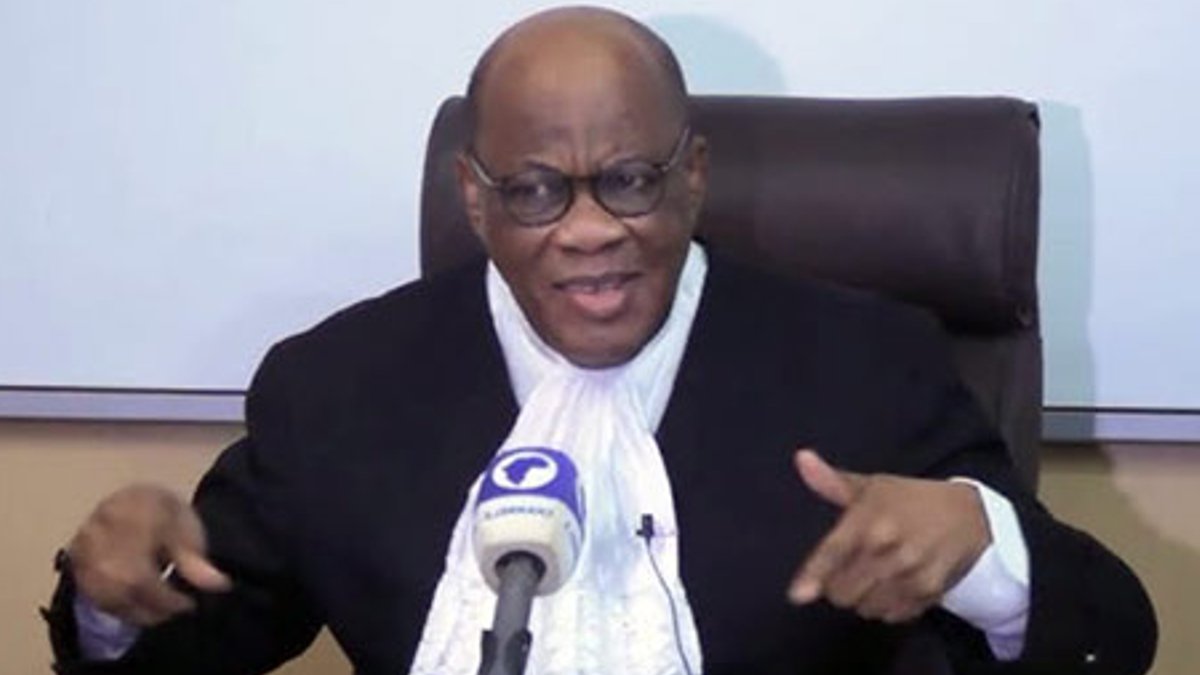
Human rights lawyer Olisa Agbakoba SAN has proposed a domestic crude oil price differential aimed at reducing petrol costs to approximately ₦400 per litre. The former president of the Nigerian Bar Association made the recommendation during the National Association of Energy Correspondents’ annual conference in Lagos on Thursday, urging presidential candidates to clarify their positions on petroleum pricing before the 2027 elections.
Affordable Petrol Through Domestic Pricing
Agbakoba linked high petroleum prices to Nigeria’s cost-of-living crisis, emphasizing the need for transparency in political platforms. “There’s something called subsidy. Is it a burden?” he asked, highlighting the disconnect between policy announcements and public understanding. He argued that President Tinubu’s removal of past subsidies, which were riddled with corruption, did not preclude the consideration of a new pricing mechanism for domestic crude.
The proposal involves setting a distinct price for crude supplied locally, regardless of international market fluctuations. Agbakoba cited Saudi Arabia’s practice of differential pricing as a model, suggesting such a policy could lower petrol costs and ease household burdens. “If I’m a young farmer, I have 20 members in my family. And I produce 1,000 yams to sell to you. But I sell to my family. So I keep them aside. I sell to you at N400 and I sell to my family at N400, does it make sense? I’ll keep them free,” he explained, framing the approach as a national interest solution.
Restructuring Nigeria’s Energy Sector
Agbakoba criticized the current structure of Nigeria’s energy sector, arguing that the president should not simultaneously serve as minister of petroleum. He advocated for merging electricity, gas, and crude oil oversight into a single Ministry of Energy to enhance coordination and accountability. “The Nigerian president cannot be minister of petroleum. He can’t,” he stated, urging systemic reform to address sector inefficiencies.
Read Also: Five Charged After Ambush Frees Handcuffed Suspect
He also raised concerns about the ongoing divestment of oil and gas assets by international companies, warning that poor legal scrutiny could replicate the failures of the electricity distribution companies (DisCos). “This divestment that is taking place is going to be the same problem that the DisCos faced. You start to build a 20-storey building without a foundation,” he cautioned, emphasizing the need for thorough legal due diligence before asset transfers.
The Human Cost of Fuel Pricing
A medication Agbakoba purchased in 2023 increased from N800 to N20,000, a stark illustration of inflation’s impact on daily expenses. He linked this surge to the high cost of petroleum products, arguing that fuel prices directly fuel hunger across the country. “The reason why Nigerians are hungry is that the price of petroleum is too high,” he stated, emphasizing the broader economic consequences.
Legal Oversight in Energy Divestment
The ongoing transfer of oil and gas assets by international companies risks replicating past failures, Agbakoba warned. He compared the process to constructing a building without a foundation, stressing that insufficient legal scrutiny could lead to systemic issues similar to those experienced by electricity distribution companies. “This divestment that is taking place is going to be the same problem that the DisCos faced,” he cautioned.


