The COP31 climate summit ended last Sunday without a final agreement, the first time in decades that the annual United Nations meeting failed to produce a binding plan to combat global warming. The breakdown revealed deep divisions between nations advocating for fossil fuel phaseouts and those—including Russia and Saudi Arabia—resisting explicit language targeting oil, gas, and coal, even as they promoted carbon capture as a substitute.
Delegates in Antalya, Türkiye, clashed over two weeks on two key issues: a shift away from fossil fuels and funding for loss and damage. The European Union, Panama, and small Pacific island states rejected a draft that excluded all mention of fossil fuels. One climate scientist compared the outcome to “a plan to quit smoking that never mentions cigarettes.”
The conference’s joint presidency by Australia and Türkiye created confusion and delayed decisions. A delegation member noted that the U.S. withdrawal from the Paris Agreement under the Trump administration had weakened global climate leadership, allowing fossil fuel-dependent nations to gain influence in negotiations.
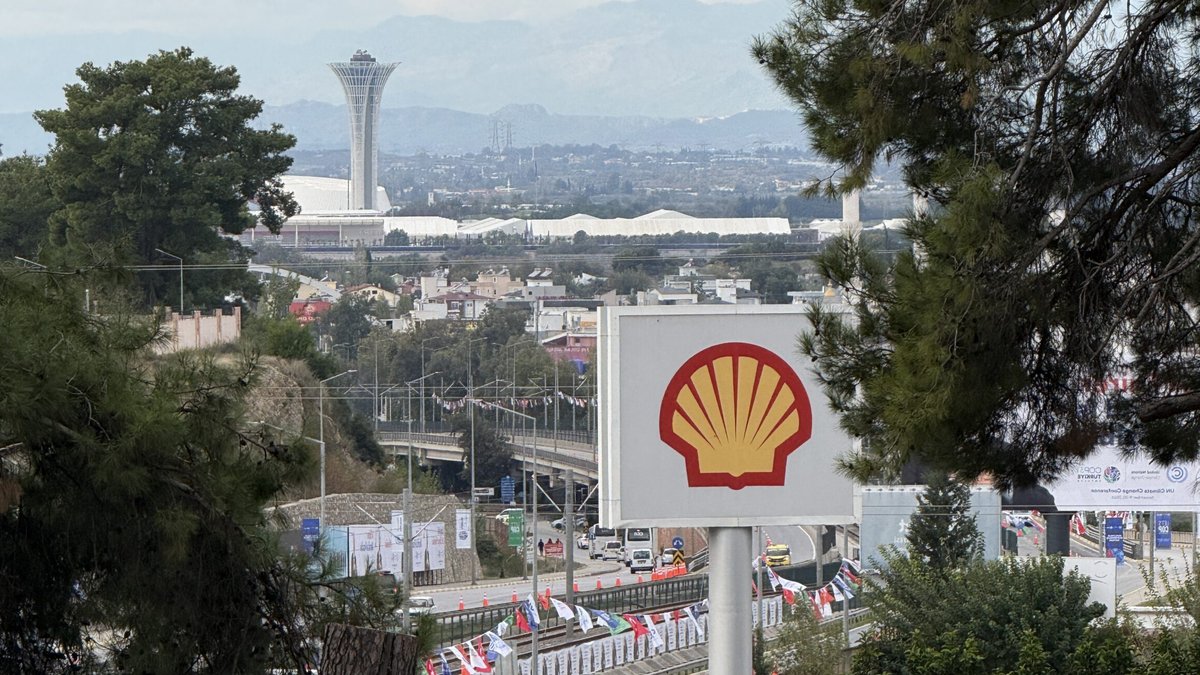
A writer attending the first week described the atmosphere as tense: excitement over the gathering of global leaders clashed with frustration over the host city’s reliance on fossil fuels, visible in polluting vehicles and propaganda billboards declaring a “fairer world” while talks stalled.
The conference’s slogan, “Where dialogue becomes action”, proved misleading. While formal negotiations collapsed, side events hosted by NGOs, academics, and governments produced some advancements. Remote sensing technology, demonstrated by Al Gore and Climate Trace, now allows near-real-time monitoring of greenhouse gas emissions. However, only 20% of the 92,000 registered attendees participated in official talks, with many engaging in parallel discussions or protests.
New Fossil Fuel Treaty Divides Nations
He announced that 30 countries had signed a separate fossil fuel treaty, bypassing the UN process and threatening to block any agreement without fossil fuel phaseout commitments. His stance reflected broader frustration among smaller nations and activists.
Related Post: Pakistan Advances Environmental Justice Amid Climate Crisis
Greta Thunberg criticized the summit early in the first week, accusing it of being dominated by fossil fuel lobbyists and declaring that Earth was “not dying, it is being killed, and we know by who.” By the second week, a protester known as “noose guy” disrupted the closing session by standing on a chair with a blood-red noose around his neck and a shirt reading “You are killing the future.” He was removed while repeating the same phrase.
The collapse of COP31 occurred as the UN confirmed the world had already exceeded the 1.5°C warming limit set in the Paris Agreement. The talks also missed an opportunity to secure additional funding for vulnerable nations, such as Nepal, which recently experienced a deadly glacier flood.
The U.S. delegation’s internal divisions became clearer during the summit. Though President Biden did not attend, state and local leaders took the lead. California Governor Gavin Newsom, a potential 2028 presidential candidate, publicly supported the Santa Marta coalition’s push for a global fossil fuel phaseout. His administration sent delegates, including state senators and six congressional representatives, to COP31. Other states, such as Florida, Arizona, and Georgia, sent lawmakers to the “America is All In” pavilion, where discussions focused on aligning climate goals with the Democratic Party’s affordability agenda, which helped secure its 258-seat House majority in 2024.
U.S. Climate Policy Sparks Backlash at COP31
Meanwhile, Congress moved in a different direction. Supporters praised it for accelerating clean energy projects, but environmentalists, including Al Gore, warned at COP31 that its provisions would instead boost fossil fuel development. Legal scholars, such as UCLA’s Alejandro Camacho, criticized the bill’s rollback of environmental reviews, arguing it would reduce public accountability. Nearly 100 academics signed a letter outlining its harmful effects, while Sen. Ed Markey delivered a 30-minute speech opposing it.
Panama’s Juan Carlos Navarro announced that 30 countries had committed to a separate fossil fuel treaty, launched after a non-UN conference in Santa Marta, Colombia. The initiative aimed to pressure nations resisting phaseout commitments, though analysis by the Fossil Fuel Treaty initiative found many participating countries’ plans remained insufficient. Navarro’s criticism, that the world was “held hostage by the petroleum mafia”, aligned with activists like Greta Thunberg, who accused COP31 of being overrun by fossil fuel lobbyists.


