Women will continue talking about hurdles in the legal profession until these are addressed, a theme that dominated a Women’s Month gathering in Johannesburg on 20 August 2026.
Event commemorates 1956 women’s march
The Johannesburg branch of the National Association of Democratic Lawyers (NADEL) hosted the ceremony to mark the historic 1956 protest at the Union Buildings against pass laws.
Opening remarks were delivered by branch chair Mongezi Ntanga, who said women deserve respect and no man should consider himself superior or claim ownership over a woman. He emphasized that the fight for dignity remains unfinished.
Branch secretary Prinoleen Naidoo added that Women’s Month honours the legacy of the women who came before them, saying that female legal practitioners do not just practise the law, but reshape it to protect those who need it most. She said, ‘Today we are setting a vision. We honour your fiereness, resilience, unmatched intellect and daily triumphs. You are the architects of a more equitable future.’ Her words showed the importance of visible role models.
Read Also: Legal journal De Rebus marks seven decades
Judge Mali highlights persistent barriers
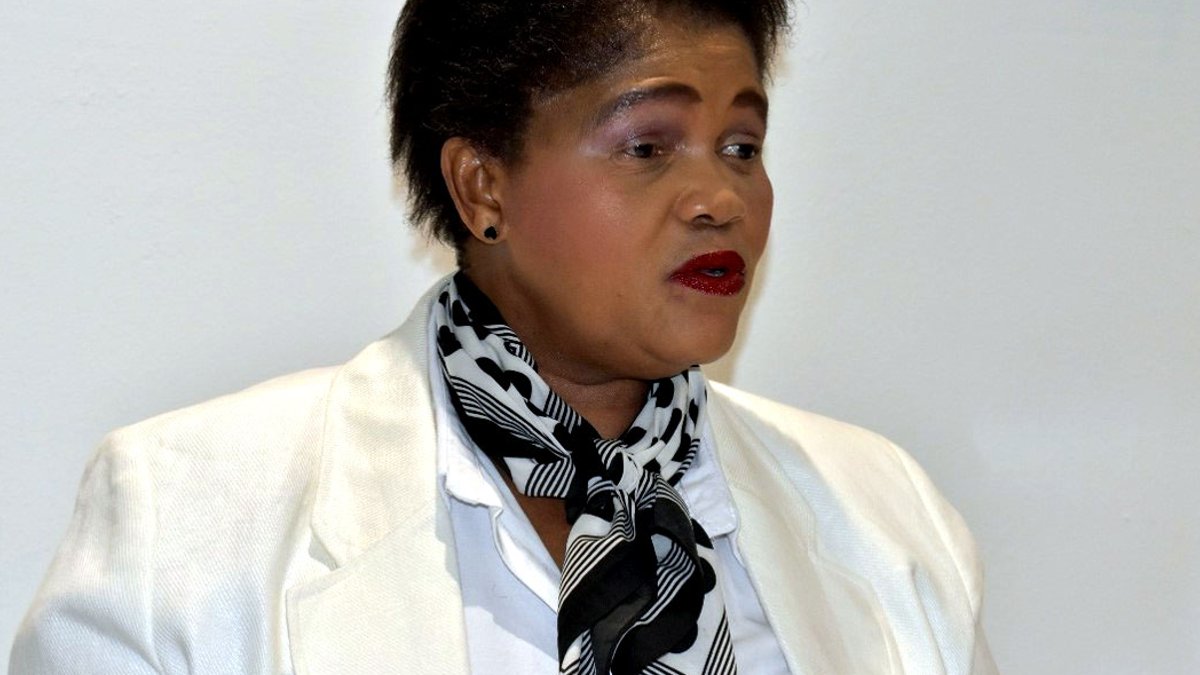
Keynote speaker Judge Nelisa Mali of the Gauteng Division of the High Court stressed that any Women’s Month address must begin with the 1956 march. She recalled a documentary where Sophie de Bruyn approached Walter Sisulu for support, only to find the women left to organize the march on their own.
The judge said that every Women’s Month, the same topics are discussed, including the bottlenecks and hurdles that women face, and that one might ask how long these discussions would continue. “We are going to talk until it gets sorted,” she said.
Seventy years later, structural hurdles still prevent women from being on an equal footing with men, and she pointed out that, in the past, these obstacles were created through legislation. Today, although legislation seeks to address those barriers, resistance means they persist. Her own career mirrors the struggle; she credited hard work and determination for overcoming similar barriers, while lamenting that many women enter law only to leave because the profession fails to accommodate them.
The judge said women must learn from the likes of Chief Justice Mandisa Maya, who broke barriers, worked within a community and continues to empower others, and that women in leadership should embody the qualities of the women of 1956 by empowering other women, as well as men.


